“خفر السواحل أم أمن السواحل؟ غموض المسؤولية عن عتراض المهاجرين في ليبيا”
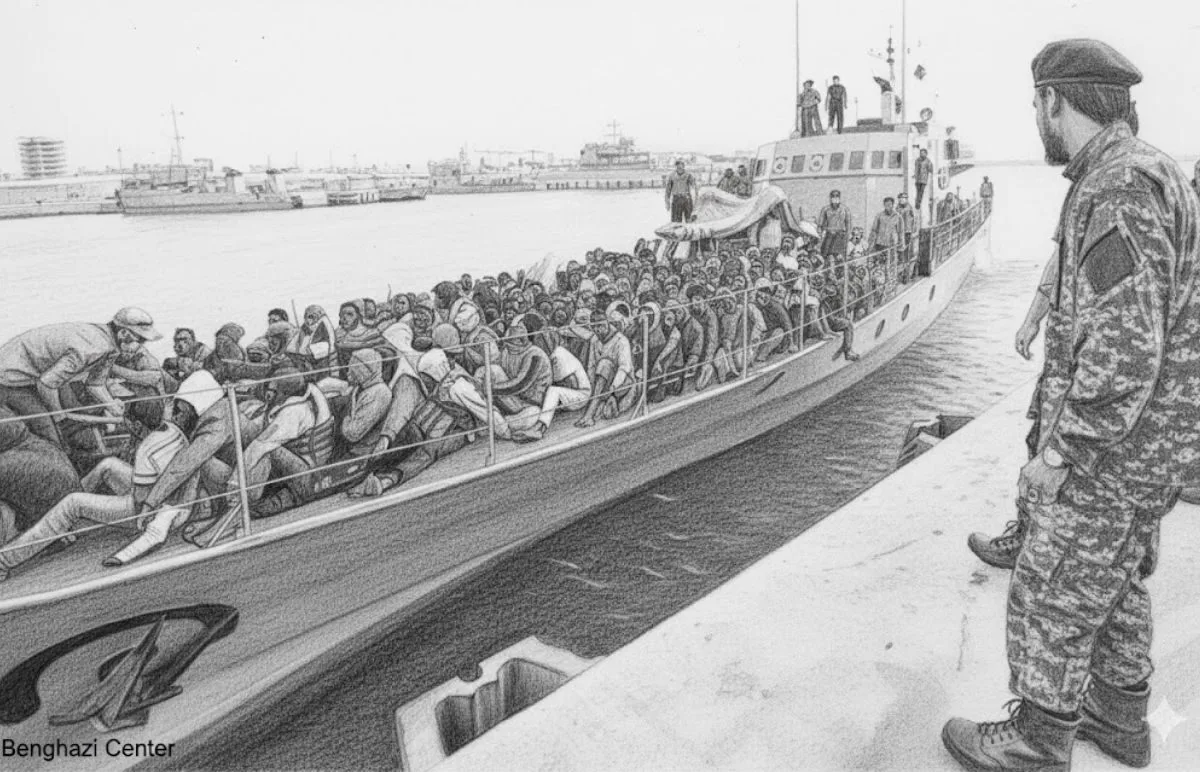
تتسم الساحة الليبية منذ سنوات بقدر كبير من الالتباس في توصيف الجهة المسؤولة عن اعتراض قوارب المهاجرين غير النظاميين وإعادتهم إلى السواحل الليبية. ففي الخطاب الدولي والإقليمي، يُشار دائماً إلى “خفر السواحل الليبي” باعتباره الجهة الرسمية المنفذة لهذه العمليات. لكن الواقع الميداني يكشف صورة أكثر تعقيداً، ترتبط بازدواجية الأجهزة وتداخل الاختصاصات داخل ليبيا.
من الناحية الرسمية ينقسم المشهد إلى جهازين:
- خفر_السواحل_الليبي: تابع لوزارة الدفاع ورئاسة أركان البحرية، يضطلع بحماية المياه الإقليمية ومكافحة التهريب، وهو المستفيد الأساسي من برامج التدريب والدعم الأوروبي.
- أمن_السواحل: تابع لوزارة الداخلية، ويقوم بدور شرطوي أكثر، يركز على حماية الموانئ والشريط الساحلي، لكنه في الواقع الميداني هو الأكثر نشاطاً في اعتراض المهاجرين، خاصة في مناطق الغرب الليبي مثل طرابلس والزاوية وزوارة.
كيف نشأ الخلط في ليبيا؟
هناك جملة من العوامل التي أسهمت في نشوء هذا الخلط والذي قد لا يكون متعمداً في بداياته خاصة في ظل الفوضى العارمة التي أعقبت عام 2011 مع سيطرة المجموعات المسلحة وتراجع قدرات الأجهزة الرسمية، وما تبعه من ضعف هيكلي واضح في القوات البحرية والجهات المعنية عموماً.”
أولاً: الاتحاد الأوروبي وإيطاليا صاغوا دعمهم البحري تحت مسمى “خفر السواحل الليبي”، دون تمييز بين التشكيلات المختلفة.
ثانياً: لأن تقارير الأمم المتحدة والمنظمات الدولية تبنّت نفس المصطلح، إدراكاً منها أن المهم هو الوظيفة (اعتراض المهاجرين) أكثر من الجهة المنفذة. وثالثاً، نتيجة التنقل المتكرر للأفراد والزوارق بين الجهازين، بسبب الانقسام السياسي وضعف الهياكل الإدارية.
التداعيات الحقوقية والقانونية
هذا الخلط اللغوي ليس مجرد مسألة شكلية؛ بل يترتب عليه أثر #قانوني مباشر إذ يمنح السلطات الليبية مساحة للتنصل من المسؤولية أو تبادلها بين وزارتي الدفاع والداخلية:
قد تقول وزارة الدفاع إن الانتهاكات ارتكبها أمن السواحل (داخلية) فيما قد تدفع وزارة الداخلية بأن الملف البحري برمته من اختصاص خفر السواحل (دفاع) في النتيجة يواجه الضحايا وضعاً #ضبابياً يجعل من الصعب مساءلة جهة محددة، سواء أمام القضاء الوطني أو عبر آليات الأمم المتحدة. والأخطر أن أمن السواحل نفسه، الذي يقوم بالجزء الأكبر من الاعتراضات، قد يستخدم هذا الغموض مستقبلاً للادعاء بعدم تورطه المباشر في الانتهاكات المنسوبة إلى “خفر السواحل الليبي”.
الحاجة_إلى_وضوح_اصطلاحي_ومؤسسي
إن الاستمرار في استخدام مصطلح “خفر السواحل الليبي” كإطار جامع يُضعف أي جهد حقوقي جاد يروم تحديد المسؤوليات بدقة ومن هنا يصبح من الضروري أن تتبنى التقارير الحقوقية والدولية تمييزاً واضحاً بين الجهازين مع تسمية كل جهة حسب تبعيتها المؤسسية:
- خفـر_السواحل وزارة الدفـاع.
- أمن_السواحل وزارة الداخلية.
هذا الوضوح لا يخدم فقط الدقة الأكاديمية بل يسهم أيضاً في منع السلطات الليبية من استغلال الغموض للتنصل من التزاماتها القانونية كما أنه يوفر أرضية أوضح للضحايا والمنظمات الحقوقية في جهودهم من أجل المساءلة والعدالة.
تعليق / الباحث طارق لملوم
?CoastGuard_or_CoastalSecurity
Ambiguity_in_responsibility_for_intercepting_migrants_in_Libya
Comment_by_Researcher_Tariq_Lamloum
For years, the Libyan context has been characterized by significant ambiguity in identifying the authority responsible for intercepting irregular migrant boats and returning them to Libyan shores. In international and regional discourse, reference is consistently made to the “Libyan Coast Guard” as the official body carrying out these operations. However, the field reality reveals a far more complex picture, linked to the duality of institutions and the overlapping of competences within Libya.
Officially, the landscape is divided between two entities:
Libyan Coast Guard (LCG): Operating under the Ministry of Defense and the Naval Chiefs of Staff, tasked with protecting territorial waters and combating smuggling. It has been the primary recipient of European training and support programs.
Coastal Security (Aman al-Sawahil): Operating under the Ministry of Interior, with a more policing-oriented mandate focused on securing ports and the coastal strip. Yet, in practice, it has been the more active body in migrant interceptions, particularly in western Libya, including Tripoli, Zawiya, and Zuwara.
How did this confusion arise?
Several factors contributed to this overlap, which may not have been intentional at the outset—especially amidst the chaos following 2011, when armed groups gained control and state institutions dramatically weakened, leading to structural fragility across the naval and maritime security apparatus.
Firstly, the European Union and Italy structured their maritime support under the umbrella term “Libyan Coast Guard,” without distinguishing between the different formations.
Secondly, UN agencies and international organizations adopted the same terminology, focusing on the function (interception of migrants) rather than the implementing authority.
Thirdly, the frequent transfer of personnel and vessels between the two entities, driven by political fragmentation and weak administrative frameworks, deepened the confusion.
Legal and human rights implications
This linguistic ambiguity is not a mere semantic issue; it carries direct legal consequences. It enables Libyan authorities to shift or evade accountability between the Ministry of Defense and the Ministry of Interior:
The Ministry of Defense can argue that violations were committed by Coastal Security (Interior).
Conversely, the Ministry of Interior can claim that maritime operations fall entirely under the jurisdiction of the Coast Guard (Defense).
As a result, victims are left in a legal vacuum, with no clearly identifiable authority to hold accountable—whether before domestic courts or international mechanisms. More concerning is that Coastal Security, which conducts the bulk of interceptions, may later exploit this ambiguity to deny any direct involvement in violations attributed to the “Libyan Coast Guard.”
The need for terminological and institutional clarity
Continuing to use “Libyan Coast Guard” as an umbrella term undermines serious human rights efforts to establish precise accountability. It is therefore essential for human rights reports and international bodies to clearly distinguish between the two entities, naming each according to its institutional affiliation:
Coast Guard (Ministry of Defense).
Coastal Security (Ministry of Interior).
Such clarity serves not only academic accuracy but also strengthens accountability processes by preventing Libyan authorities from exploiting institutional ambiguity to evade legal obligations. Moreover, it provides victims and human rights organizations with clearer avenues to pursue justice and accountability.